Unlocking Efficiency: The Office Presentation Element Template as Your Workflow Hub
In the world of modern business, communication is currency. Whether you're pitching to investors, training a new team, or presenting quarterly results to stakeholders, the clarity and professionalism of your slides are paramount. Yet, the process of creating these presentations often becomes a bottleneck, draining valuable time from content development and strategic thinking. This is where the concept of an Office Presentation Element Template transforms from a mere design file into a critical workflow asset. It’s not just a collection of slides; it is a pre-built, modular system for visual communication, designed to integrate seamlessly into your existing processes, saving hours and elevating quality.
The Core Role: A Template as a Process Catalyst
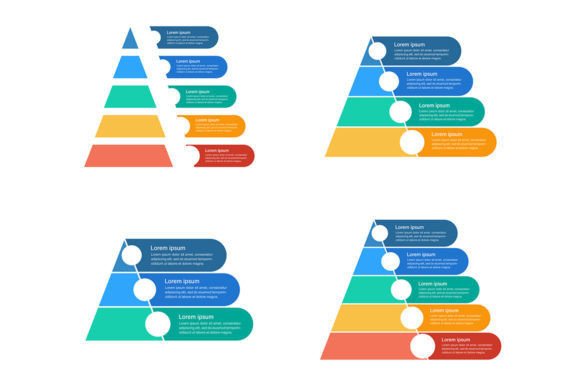
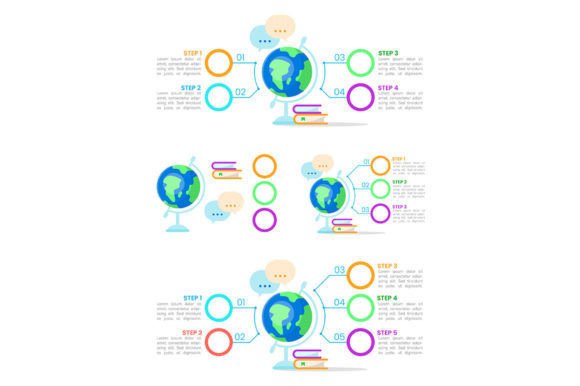
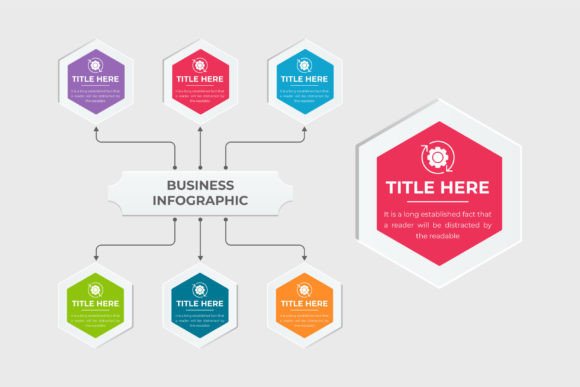
An Office Presentation Element Template serves as a foundational toolkit. Typically, it includes a curated library of vector-based graphic elements: abstract graphs, geometric shapes, data visualization infographics, icon sets, and layout frames. These are not static, single-use slides. Instead, they are separable, editable components. This distinction is crucial. It allows the template to fit into your workflow at multiple stages, acting as a catalyst for efficiency rather than a rigid final product. You don't start with a blank canvas; you start with a structured, professional set of assets that you adapt, not create from scratch.
Consider the typical presentation development process: research, content outlining, design, revision, and finalization. The design phase is often the most time-intensive and can divert focus from the message itself. By introducing a high-quality template at the outset of the design phase, you effectively decouple content creation from asset creation. Your team can focus on crafting the narrative and data, knowing that a coherent, visually appealing framework is ready to receive that information. This shifts the template's role from an end-point to an integral part of the planning and execution pipeline.
Integration Before the Project: Planning with Visuals in Mind
Proactive integration begins even before the first slide is made. When planning a presentation project, teams can review the template’s components—its data classification infographics, its graph styles, its color palette—and align their content structure accordingly. For instance, if you know your template has a powerful set of comparison infographic elements, you might intentionally structure your market analysis section to leverage that visual format. This reverse-engineering from visual capability to content structure ensures a more harmonious and effective final output. It encourages thinking about how information will be communicated visually from the very start, making the entire workflow more intentional and less ad-hoc.
Practical Implementation: From ZIP File to Finished Deck
The practical journey from downloading a template to delivering a presentation highlights its workflow integration. As noted by providers like the Iftikhar Alam Graphic Store, these resources arrive as digital files in Vector (e.g., AI, EPS) and JPG formats, compressed into a ZIP archive. The initial step—extracting and accessing these files—is your first point of integration with your existing software ecosystem. Using applications like WinRAR or simply your operating system's native extractor prepares the assets for use.
The true integration occurs within vector editing software, most commonly Adobe Illustrator. Here, the template’s promise of customization is realized. You aren’t confined to preset layouts. You can open the vector files, modify colors to match your brand palette, resize geometric shapes to fit new data points, and combine elements from different infographics to create a custom chart. This level of control means the template adapts to your specific need, not the other way around. For teams with established brand guidelines, this is essential for maintaining consistency and quality control across all communications. The template provides the professional baseline; your edits inject the specific identity and data.
Compatibility and Long-Term Use as a System Asset
A key consideration for smooth workflow integration is compatibility. A professional Office Presentation Element Template, built with vector graphics, ensures long-term usability. Vector files are resolution-independent and can be scaled, edited, and exported to various formats without loss of quality. This makes them compatible not only with Illustrator but also with other presentation tools. You can export individual elements as PNGs for use in PowerPoint or Google Slides, or incorporate entire vector scenes into more complex design projects. This versatility turns the template into a reusable system asset, not a one-off purchase. Over time, an organization can build a library of customized components from these templates, drastically reducing the per-presentation design effort and creating a consistent visual language across all departments.
Use Cases Across Professional Roles
The utility of such a template spans the diverse audience of professionals, creators, and entrepreneurs. For a marketer, it accelerates the creation of campaign performance decks and competitor analysis reports. The pre-made data visualization elements allow for quick turnaround on monthly metrics. For an educator or trainer, the template provides clear, engaging visuals for instructional materials, where concepts like data classification or process flows need intuitive graphics. Freelancers and small business owners, often working with limited time and resources, benefit immensely from a professional starting point that elevates their client proposals and business plans without requiring a dedicated designer.
Even for bloggers and publishers, these elements can be repurposed for website graphics, newsletter visuals, or social media content explaining complex topics. The workflow integration here is about asset repurposing—using one core investment to fuel multiple content channels. The template becomes a central graphic resource in their content creation toolbox.
Tips for Seamless Adoption into Your Routine
To integrate an Office Presentation Element Template smoothly, consider a few pragmatic steps. First, dedicate a short onboarding session. Open the files, explore the layers in Illustrator, and understand how the elements are grouped. This prevents frustration later. Second, create a brand-aligned adaptation guide. Define your primary color hex codes, font choices, and logo placement, then modify a master copy of the template's core elements to reflect these. Save this as your organization's "master toolkit" version. Third, store these adapted vector files in a shared, accessible drive (like Google Drive or a company server) along with a simple usage guide. This promotes organization and ensures everyone on the team can leverage the asset efficiently, turning a personal tool into a collaborative workflow component.
The Outcome: Efficiency, Consistency, and Focus
Ultimately, the strategic use of an Office Presentation Element Template is about reclaiming focus and ensuring consistency. The efficiency gain is obvious: reduced design time. The consistency gain is strategic: a unified visual identity strengthens brand recognition and professional perception. But perhaps the most significant outcome is the refocusing of effort. By handling the foundational visual design, the template allows professionals to devote their cognitive resources to what matters most—the quality of the content, the strength of the argument, and the clarity of the message. It turns presentation creation from a disjointed, often stressful task into a more streamlined, predictable process. In a fast-paced work environment, where time and attention are scarce resources, this integration is not just convenient; it’s competitive.
From the moment you extract the ZIP file to the moment you present your polished deck, the template works within your workflow, not outside it. It interacts with your design software, your brand guidelines, your team's collaboration habits, and your content goals. By choosing a flexible, vector-based template and adopting it systematically, you invest not in a single presentation, but in a repeatable process for clearer, faster, and more professional communication every time you need it.