The Power of Color Psychology in Business Strategy
In the competitive world of business, capturing attention and conveying meaning quickly is paramount. While data, logic, and structure form the skeleton of any successful strategy, color provides the vital emotional and perceptual layer that makes information memorable and persuasive. This integration of deliberate color application into marketing and management frameworks is what we call Colorful Marketing or Management Concept. It’s not merely about making things look attractive; it’s a strategic tool for enhancing communication, guiding behavior, and improving operational clarity.
Beyond Decoration: Color as a Strategic Language
Every color evokes specific psychological responses. Red can signal urgency or excitement, blue often conveys trust and stability, green is associated with growth and approval, and yellow attracts attention and optimism. The Colorful Marketing or Management Concept leverages this universal, yet deeply personal, language to achieve specific business objectives. It transforms color from a passive design element into an active component of your strategy, influencing both internal team dynamics and external customer perceptions.
Imagine a financial report. Traditional black-and-white spreadsheets are functional but emotionally flat. Applying a Colorful Management Concept, you might use a consistent green hue for profitable revenue streams, a soft blue for stable assets, and a gentle orange for areas requiring cautious review. This immediate visual coding allows stakeholders to grasp the company's health at a glance, fostering quicker understanding and more focused discussion. The color becomes part of the data narrative.
The Core Characteristics of a Colorful Framework
A strategic approach to color is defined by several key features:
- Intentionality: Every color choice is made with a clear purpose, aligned with a business goal (e.g., boosting click-through rates, improving process compliance).
- Consistency: A defined palette is used systematically across materials, creating a cohesive brand or operational language.
- Hierarchy: Colors establish visual priority, directing the eye to the most critical information first, whether on a presentation slide or a workflow chart.
- Emotional Alignment: The palette resonates with the desired emotional tone of the project—energetic for a product launch, calm and reliable for a service agreement.
- Adaptability: The concept provides a flexible system that can be applied to diverse formats, from digital ads to internal training manuals.
Practical Applications: Where Color Strategy Comes to Life
The versatility of the Colorful Marketing or Management Concept is one of its greatest strengths. It is not confined to one department or medium.
For Marketing and Customer Engagement
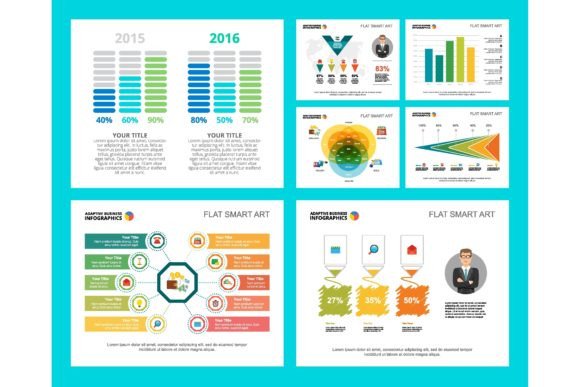
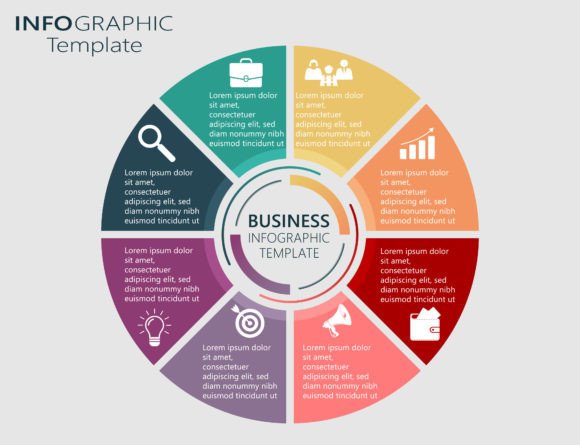
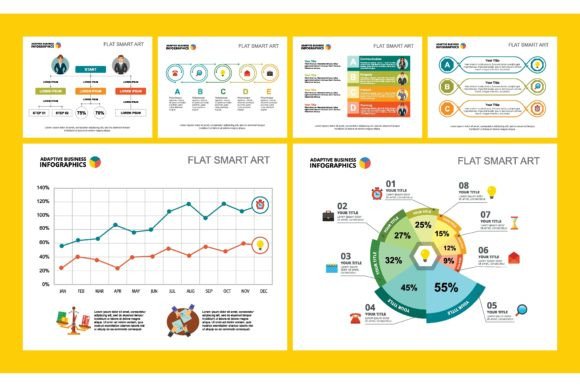
In marketing, color strategy drives action. A call-to-action button in a contrasting, high-energy color stands out. An email campaign using a warm, trustworthy palette can increase open rates and perceived value. Social media graphics with vibrant, consistent colors enhance brand recall. The infographic charts within a brochure don't just present data; they tell a colorful story that guides the reader through the benefits, making complex offerings feel accessible and appealing.
For Internal Management and Operations
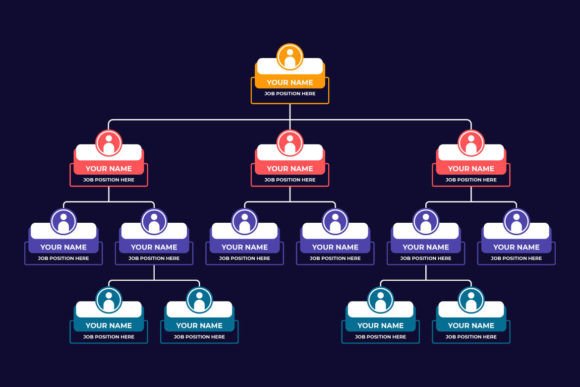
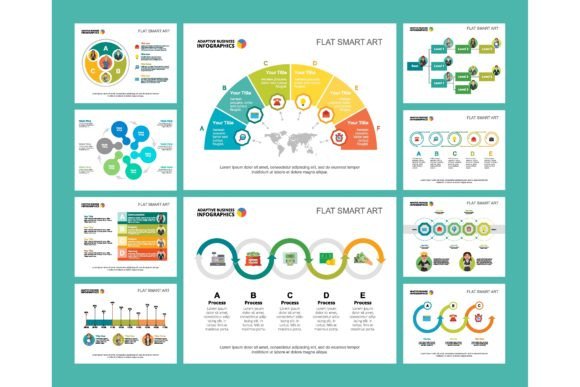
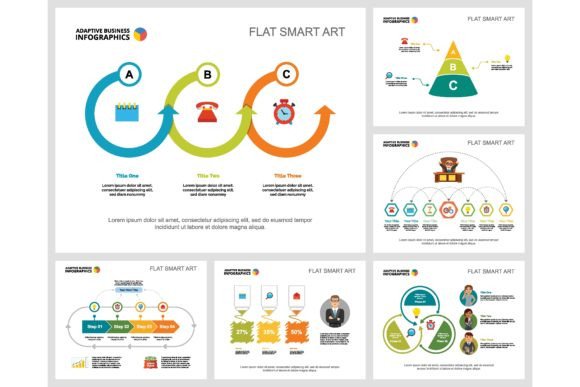
Internally, this concept streamlines processes and improves communication. Workflow layout diagrams become intuitive when each stage is color-coded (e.g., blue for "planning," yellow for "execution," green for "review"). Project management dashboards use color to indicate task status, reducing time spent deciphering spreadsheets. Presentation slide templates for company updates use color to segment information—financials, team achievements, future goals—making meetings more efficient and engaging. This visual management reduces cognitive load and fosters alignment.
For Reporting and Financial Communication
As mentioned, financial reports benefit immensely. Charts and graphs that utilize a strategic color scheme are not only more persuasive but also more accurate in conveying trends and comparisons. Shareholders and managers can instantly identify strengths and areas of concern, making the data-driven conversation more productive.
Who Benefits from Embracing a Colorful Concept?
The application of this strategy is broad, offering value to numerous roles and industries.
- Business Owners and Entrepreneurs: It provides a cost-effective way to enhance brand identity and improve internal clarity from the outset.
- Marketing Professionals and Creators: It offers a scientifically-informed creative framework to increase campaign effectiveness and content engagement.
- Project Managers and Team Leaders: It aids in visualizing complex projects, improving team coordination, and simplifying status reporting.
- Financial Analysts and Consultants: It elevates the communicative power of their analyses, making reports more impactful for clients and executives.
- General Consumers and Online Users: They benefit indirectly through clearer, more engaging, and easier-to-understand information from the businesses they interact with.
Implementing the Strategy: Considerations and Guidance
While the Colorful Marketing or Management Concept is powerful, its successful implementation requires thoughtful planning.
Strengths and Advantages
The primary strengths are clear: enhanced memorability, improved communication speed, stronger emotional connection, and greater visual consistency across all business materials. It democratizes understanding, making complex information accessible to diverse audiences regardless of their technical expertise.
Key Considerations and Limitations
Color perception can be subjective and influenced by cultural context. It’s crucial to research your target audience. Also, overuse or misuse of color can lead to visual clutter and confusion—strategy must always precede aesthetics. The concept is a complement to solid content and logic, not a replacement. Furthermore, accessibility must be a priority; color choices should support sufficient contrast for those with visual impairments.
Evaluating Suitability for Your Needs
Ask yourself these questions before adopting a full color strategy:
- What is the primary goal of my material (to inform, persuade, instruct, or report)?
- Who is my audience, and what are their likely cultural and psychological responses to color?
- Do I have a need to establish priority or hierarchy within my information?
- Will this content be part of a larger system (like a brand or recurring report) that requires consistency?
- Am I currently relying solely on text or numbers to convey messages that could be enhanced visually?
If your answers point toward a need for clearer communication, faster comprehension, or stronger emotional impact, then integrating a Colorful Marketing or Management Concept is likely a valuable next step.
Bringing Theory into Real-World Practice
Consider a tech startup launching a new app. Their presentation to investors uses a slide template with a distinct color zones: deep blue slides for the secure technology explanation, vibrant green slides for market growth data, and confident orange slides for the financial projections. This color-coding helps investors mentally categorize and recall the information. Simultaneously, their user onboarding workflow within the app uses a gentle, guiding color path (light blue to green) to reduce user anxiety and improve completion rates. Here, the concept works across both external marketing and internal user management.
Ultimately, the Colorful Marketing or Management Concept is about intentional communication. It recognizes that in a world saturated with information, the strategic use of color is not just an artistic choice—it’s a business intelligence tool. By thoughtfully applying this framework to your financial reports, workflow layouts, brochure designs, and presentations, you transform simple visibility into meaningful insight and engagement.