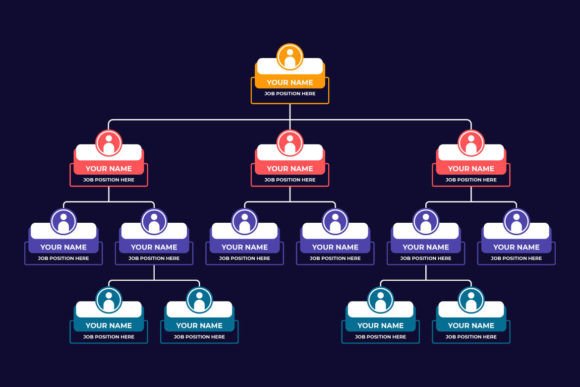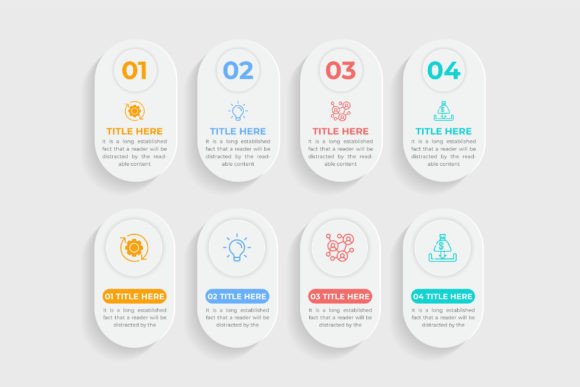
Visualizing Progress: The Power of Modern Workflow Info Graph Chart Vector
In today's fast-paced business environment, clarity is everything. Teams need to see the path forward, stakeholders need to understand complex processes, and leaders need to communicate strategy effectively. This is where the power of visual communication comes into play, and a Modern Workflow Info Graph Chart Vector is one of the most potent tools available. It’s more than just a diagram; it’s a strategic asset that transforms abstract plans into concrete, understandable visuals.
What Is a Workflow Infographic Vector?
At its core, a workflow infographic is a visual representation of a process, sequence, or system. When this design is created as a vector file, it becomes infinitely scalable and editable. Unlike standard image files, a vector graphic is built from mathematical points, lines, and curves. This means you can resize a Modern Workflow Info Graph Chart Vector from a tiny icon to a massive billboard poster without any loss of quality or sharpness.
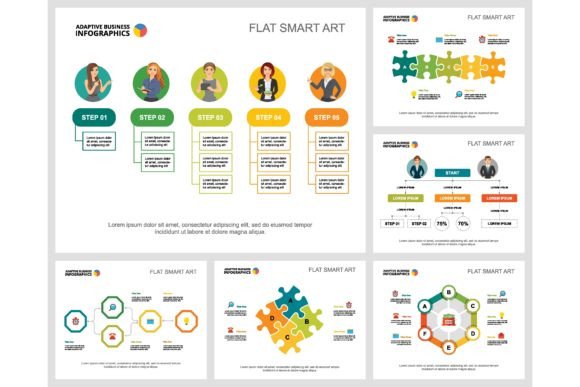
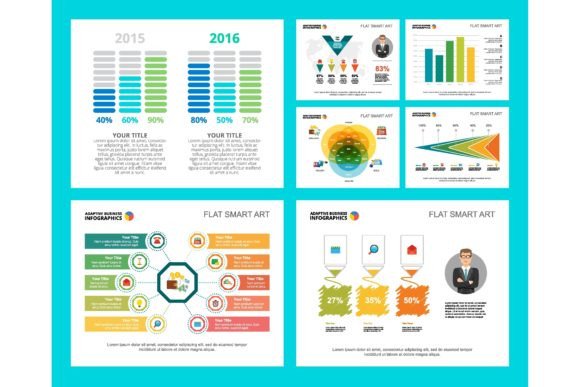
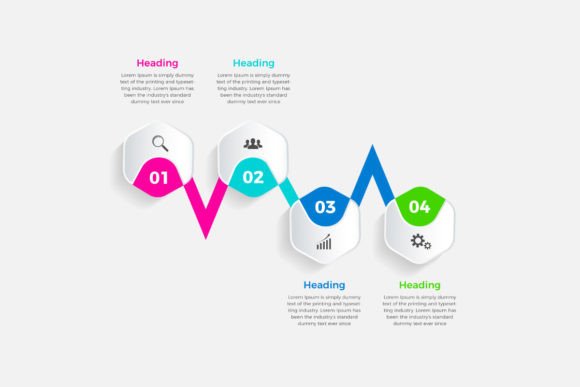
These templates typically feature geometric shapes—circles, rectangles, arrows, lines—arranged in a logical flow. They are designed with a clean, contemporary aesthetic, often using a cohesive color palette and minimal text to guide the viewer. The "modern" aspect refers to this sleek, uncluttered design philosophy that prioritizes quick comprehension over decorative complexity.
Why Vectors Are the Professional's Choice
Choosing a vector format for your workflow diagrams is a critical decision for practical utility. When you download a design from a source like Iftikhar Alam Graphic Store, receiving files in Vector (like AI or EPS) and JPG format offers maximum flexibility. The JPG provides a ready-to-use image for quick insertion into presentations or documents. The vector file, however, is your key to customization.
Using a vector editing application like Adobe Illustrator, you can:
- Change colors to match your company branding instantly.
- Modify text labels to reflect your specific process stages.
- Add, remove, or rearrange geometric shapes to suit your unique workflow.
- Extract individual elements to use across other materials.
This adaptability makes a Modern Workflow Info Graph Chart Vector not a one-time purchase, but a reusable template for countless future projects. The files are usually compressed into one ZIP file for easy delivery. Remember to extract them using software like WinZIP or WinRAR, or simply by double-clicking on most modern operating systems.
Fitting into Contemporary Business Ecosystems
Where do these visual tools fit in? The answer is almost everywhere. A Modern Workflow layout serves multiple roles across departments and industries.
Enhancing Internal Communication & Training
For project managers and team leaders, a clear workflow chart is indispensable for onboarding new employees and clarifying team responsibilities. It eliminates ambiguity. A visual diagram showing the steps from concept to client delivery ensures everyone sees their role in the larger machine, fostering alignment and reducing errors.
Powering Client Presentations & Proposals
When pitching a service or explaining a methodology to a client, an office presentation layout vector makes your process tangible. It demonstrates professionalism, organization, and foresight. Clients are more likely to trust a company that can visually map out how it will achieve results. It turns a verbal description into a credible, structured plan.
Streamlining Process Analysis & Improvement
Often, you can't improve a process until you see it laid out clearly. Creating a work process diagram flow chart forces you to examine each step, identify bottlenecks, redundancies, or unnecessary complexities. The act of visualizing the workflow becomes a catalyst for optimization and innovation.
Key Qualities of an Effective Workflow Vector Template
Not all infographic templates are equally useful. When selecting or customizing a Modern Workflow Info Graph Chart Vector, consider these important characteristics.
- Logical Flow: The arrangement of shapes and arrows must intuitively guide the eye from start to finish. The narrative should be obvious.
- Visual Hierarchy: Key phases or decision points should be emphasized through size, color, or distinctive shapes.
- Modular Design: The template should be built from distinct, separable components so you can easily adapt it without redesigning the entire piece.
- Aesthetic Versatility: The color scheme and style should be professional yet adaptable enough to fit into various corporate brand environments.
- Clarity Over Artistry: While it should be visually appealing, its primary purpose is to communicate information quickly. Avoid overly ornate templates that sacrifice understanding for decoration.
Practical Benefits for Everyday Use
The day-to-day advantages of having a ready-made, editable vector template are significant. They save immense time. Instead of spending hours building a chart from scratch every time a process changes or a new project begins, you open your trusted Modern Workflow Info Graph Chart Vector, make quick edits, and have a polished, professional visual ready in minutes.
They ensure consistency. Using the same foundational template across departments creates a unified visual language within your organization. This makes cross-departmental training and collaboration smoother, as people become accustomed to interpreting information presented in a consistent format.
They empower non-designers. With a high-quality vector template as a starting point, even a marketing manager or operations lead with basic Illustrator skills can produce a diagram that looks professionally designed. This democratizes the creation of important communication materials.
Choosing and Implementing Your Template
Before you download a template, think about your primary use case. Are you mapping a linear, sequential process? Or a cyclical, repeating one? Do you need to show decision branches? Many Modern Workflow Info Graph Chart Vector collections offer variations for these different scenarios.
Consider your audience. An internal technical team might appreciate more detailed, data-heavy boxes, while a client-facing version should be simplified and focused on high-level outcomes.
Once you have your files, like those you might find from Iftikhar Alam Graphic Store, organization is key. Extract the ZIP file, save the original vectors in a dedicated "Template Assets" folder, and always duplicate the file before editing to preserve the original master.
If you encounter any problems editing the vector files, such as issues with layers or fonts, reaching out to the designer for support is a smart step. As the description often notes, "If you have any problem editing the files, don't hesitate to contact me." This support can resolve technical hurdles quickly.
Beyond the Office: Broader Applications
The utility of a clean workflow vector extends beyond traditional business. Event planners can use them to visualize logistics timelines. Educators can map out curriculum or assignment sequences. Freelancers can illustrate their service pipelines for potential clients. Even for personal projects—planning a major home renovation, for instance—a customized workflow chart can bring order and clarity to complex undertakings.
In essence, a Modern Workflow Info Graph Chart Vector is a bridge between idea and execution. It turns the intangible into a tangible guide. By investing in a well-designed, editable vector template, you equip yourself with a tool that not only explains processes better but also helps you analyze, improve, and communicate them with authority and precision. It’s a small digital asset that can yield outsized returns in understanding, efficiency, and professional presentation.