The Spectrum of Success: How Colorful Management Energizes Modern Teams
In the pursuit of organizational efficiency, many leadership models focus on structure, process, and hierarchy. While effective, these approaches can sometimes overlook the vibrant human element at the core of every team. This is where the concept of Colorful Management, or a Colorful Teamwork Concept, presents a distinct alternative. It is not merely a metaphorical term for “diverse” teams; it is a structured framework that uses the psychological and symbolic associations of color to categorize personality types, communication styles, and operational modes within a group. By mapping these traits onto a visual spectrum, leaders can better understand dynamics, allocate tasks, and foster collaboration.
What Makes Colorful Management Distinct
Unlike many personality assessments that remain abstract, Colorful Management leverages an immediate, universal language: color. It translates complex interpersonal data into an intuitive visual system. Typically, frameworks assign colors like Red, Blue, Green, and Yellow to represent core behavioral archetypes. A “Red” might symbolize driven, action-oriented individuals; a “Blue” might represent analytical, process-focused thinkers; “Green” could denote empathetic, harmony-seeking team members; and “Yellow” might characterize creative, big-picture innovators. The power of this concept lies in its application beyond individual assessment. It provides a shared lens for the entire team to view its collective composition, strengths, and potential gaps.
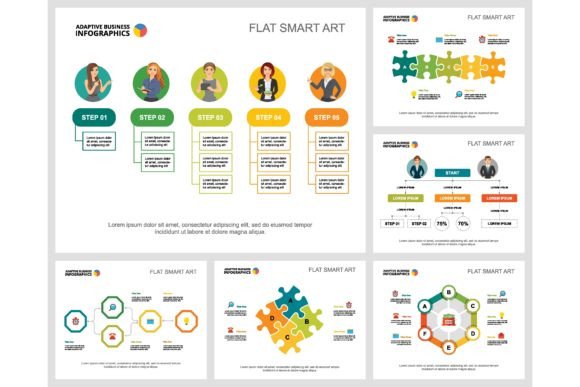
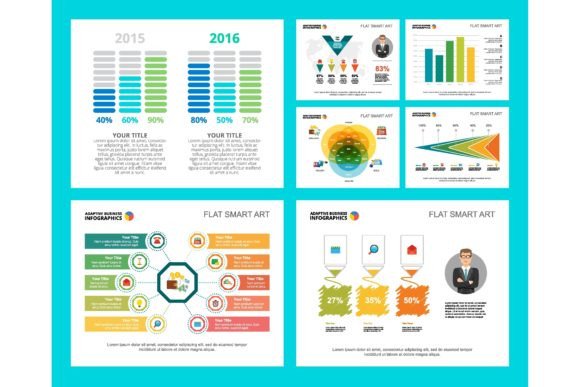
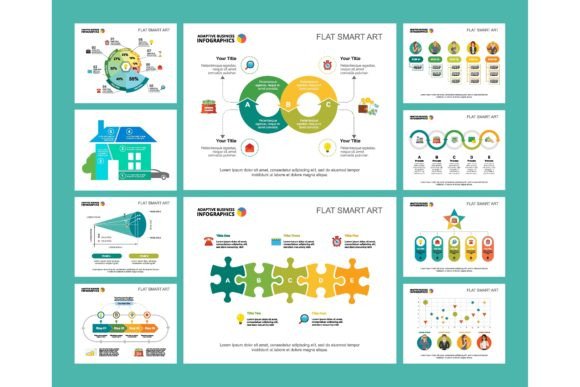
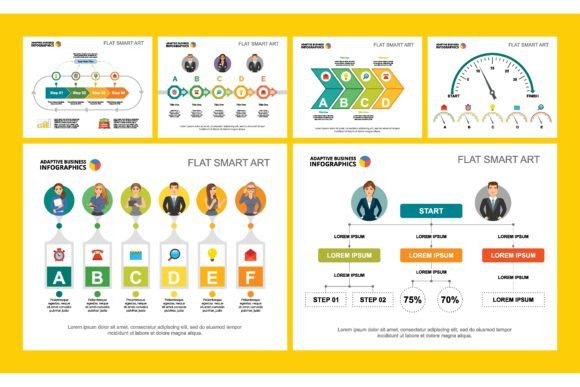
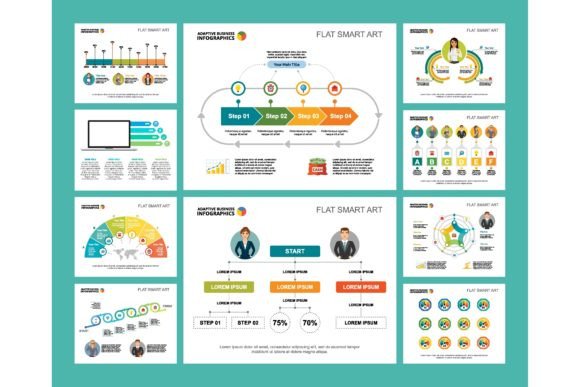
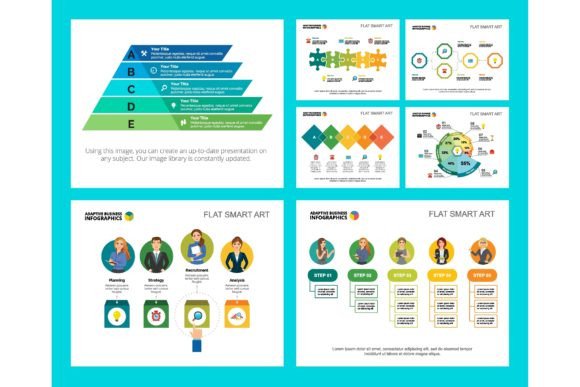
What sets it apart from similar team-building tools is its inherent design for visual communication. The foundational idea is often expressed through infographic charts, diagrams, and presentation elements, making it exceptionally suitable for corporate reports, training materials, and strategic posters. This visual integration facilitates quicker adoption and ongoing reference, turning a management concept into a tangible, everyday toolkit.
Comparing Approaches: Where Colorful Management Fits
When evaluating team development resources, several categories exist. Traditional models like SWOT analysis or performance metrics focus on outcomes and gaps. Psychometric tools like Myers-Briggs or DISC offer deep individual insights but can be complex to translate into daily team interaction. Agile or Scrum methodologies provide workflow structures but less emphasis on interpersonal composition.
Colorful Management sits in a practical middle ground. It is less about deep clinical psychology than DISC and more about actionable team dynamics. It is less rigidly procedural than Scrum but offers a structured way to view team roles. Its primary comparison point is with other visual team mapping tools. While some models use shapes or coordinates, the use of color taps into stronger subconscious associations and emotional resonance, which can enhance recall and engagement. The tradeoff is that it can simplify nuances; a person is rarely purely one “color.” However, its strength is in creating a common, simplified vocabulary that accelerates team awareness without requiring extensive training.
Strengths and Practical Applications
The evident strengths of a Colorful Teamwork Concept are its accessibility and visual utility. It demystifies team dynamics. In a project kick-off meeting, a simple chart showing the “color balance” of the team can instantly highlight potential weaknesses—perhaps a lack of “Green” communicators might risk team morale, or a shortage of “Red” drivers could slow execution. This allows for proactive planning, such as assigning specific communication roles or seeking input from certain color perspectives.
Realistic examples abound. Consider a product development team stalled in creative ideation (“Yellow”) but lacking in detail-oriented planning (“Blue”). A manager applying Colorful Management might visually chart this imbalance and consciously bring in a “Blue” analyst from another department for a focused sprint. In marketing, a campaign team heavy on outward-facing “Red” energy might need to integrate more “Green” empathetic thinking to better understand customer sentiment. The infographic elements make these insights shareable in advertising leaflets or internal posters, continuously reinforcing the concept.
- Visual Alignment: Creates immediate, shared understanding across cultures and seniority levels.
- Conflict Mitigation: Frames disagreements as a natural result of “color” differences (e.g., a Red’s urgency vs. a Blue’s caution), not personal faults.
- Role Optimization: Helps match tasks to natural team inclinations, potentially increasing satisfaction and efficiency.
- Communication Tool: Provides a neutral language for feedback and expectations.
Tradeoffs and Limitations to Consider
No framework is universally perfect, and an informed decision requires acknowledging limitations. The Colorful Management concept can risk oversimplification. Human behavior is fluid and context-dependent. Labeling someone permanently as a “Yellow” might limit their growth or cause the team to overlook their latent “Blue” analytical skills. Furthermore, the effectiveness of the model heavily depends on the quality of its initial implementation. A poorly facilitated introduction can lead to stereotyping or resistance from team members who feel pigeonholed.
Another tradeoff involves comparison with more data-driven approaches. While Colorful Management offers insightful heuristics, it typically does not provide quantitative metrics for performance tracking. Teams requiring hard data for executive reporting may need to complement this concept with other measurement tools. It is also less suited for very large, constantly changing teams where maintaining individual color profiles becomes administratively cumbersome. Its best fit is in stable, collaborative units of 5 to 20 people where relationships and communication patterns are key to success.
When It’s the Right Choice—And When to Look Elsewhere
Determining if the Colorful Teamwork Concept is appropriate depends on your team’s primary challenges. It may be the right choice when:
- Your team struggles with frequent communication breakdowns or unproductive conflict.
- You need a quick, engaging way to boost team self-awareness without long workshops.
- Your work culture values visual learning and easy-to-reference materials (ideal for design, marketing, or creative departments).
- You want to improve role allocation and project planning based on personality strengths.
- Leadership seeks a common language to discuss team dynamics in reports and presentations.
You may need another option if:
- Your primary need is individual deep psychological coaching or therapeutic intervention.
- The team requires rigorous, numerical performance analytics and benchmarking.
- The organizational environment is highly formal and resistant to metaphor-based frameworks.
- The team is very large or remote, making consistent visual mapping impractical.
- You are dealing with specific technical skill gaps, not interpersonal dynamics.
Making an Informed Decision
For professionals researching team development tools, the evaluation should hinge on fit. Consider your team’s size, the nature of its work, and its existing culture. Compare the Colorful Management concept against your current challenges. If miscommunication and role confusion are top issues, its visual, vocabulary-building approach could be transformative. If your problems are more about workflow efficiency or technical competency, a more procedural or skill-based framework might be better.
Practical implementation is also a key decision factor. The availability of well-designed infographic charts, slide templates, and poster materials—as mentioned in the concept’s description—can significantly lower the adoption barrier. These design elements allow for seamless integration into existing corporate report formats or training modules, providing a continuous visual reminder of the team’s composition and goals. Ultimately, the most informed decision treats Colorful Management not as a standalone solution, but as a powerful component within a broader leadership toolkit—one that brings the human spectrum of your team into clear, collaborative focus.